Apple butter
A concentrated apple preserve with 16th–17th century monastic origins.

Whitney · CC BY 2.0
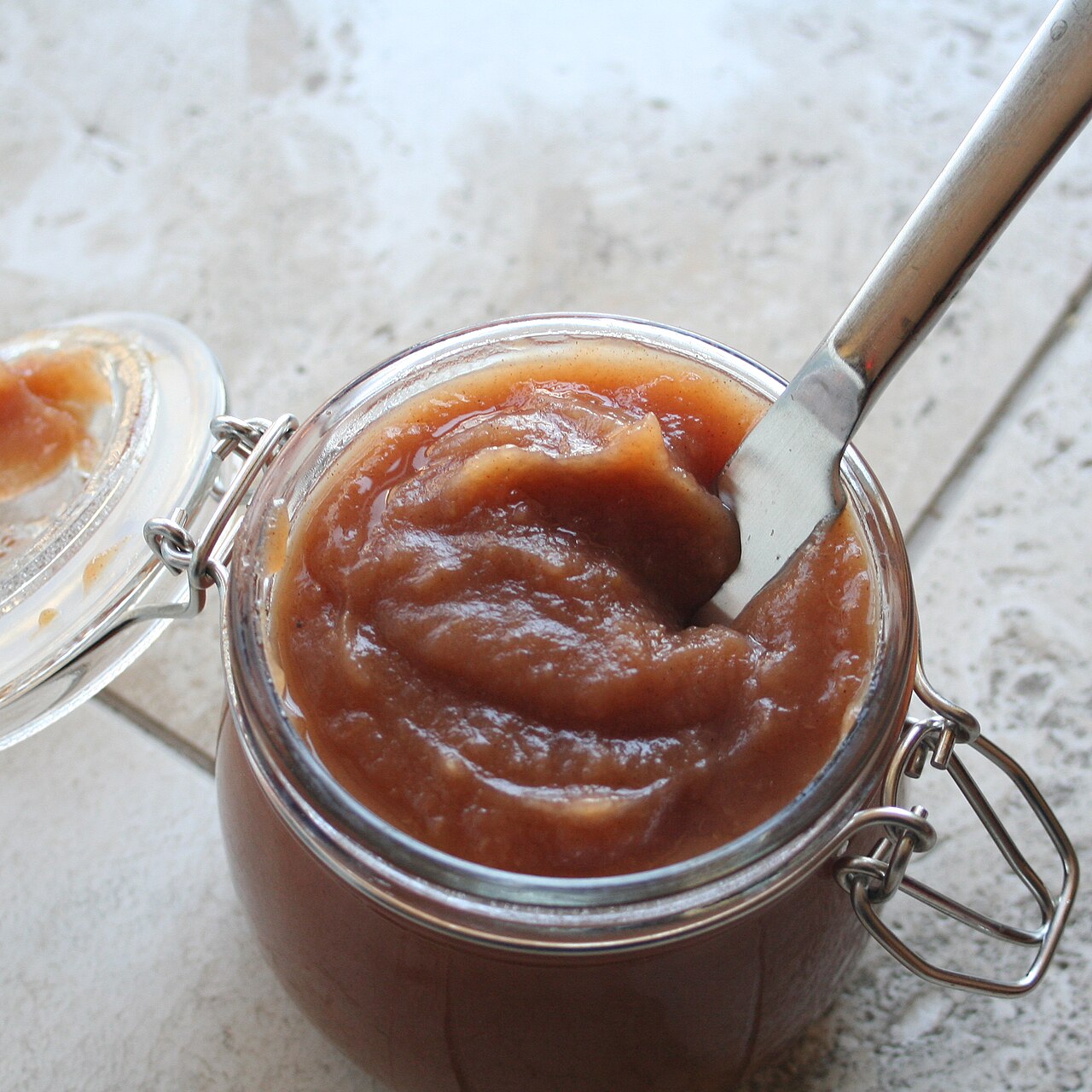
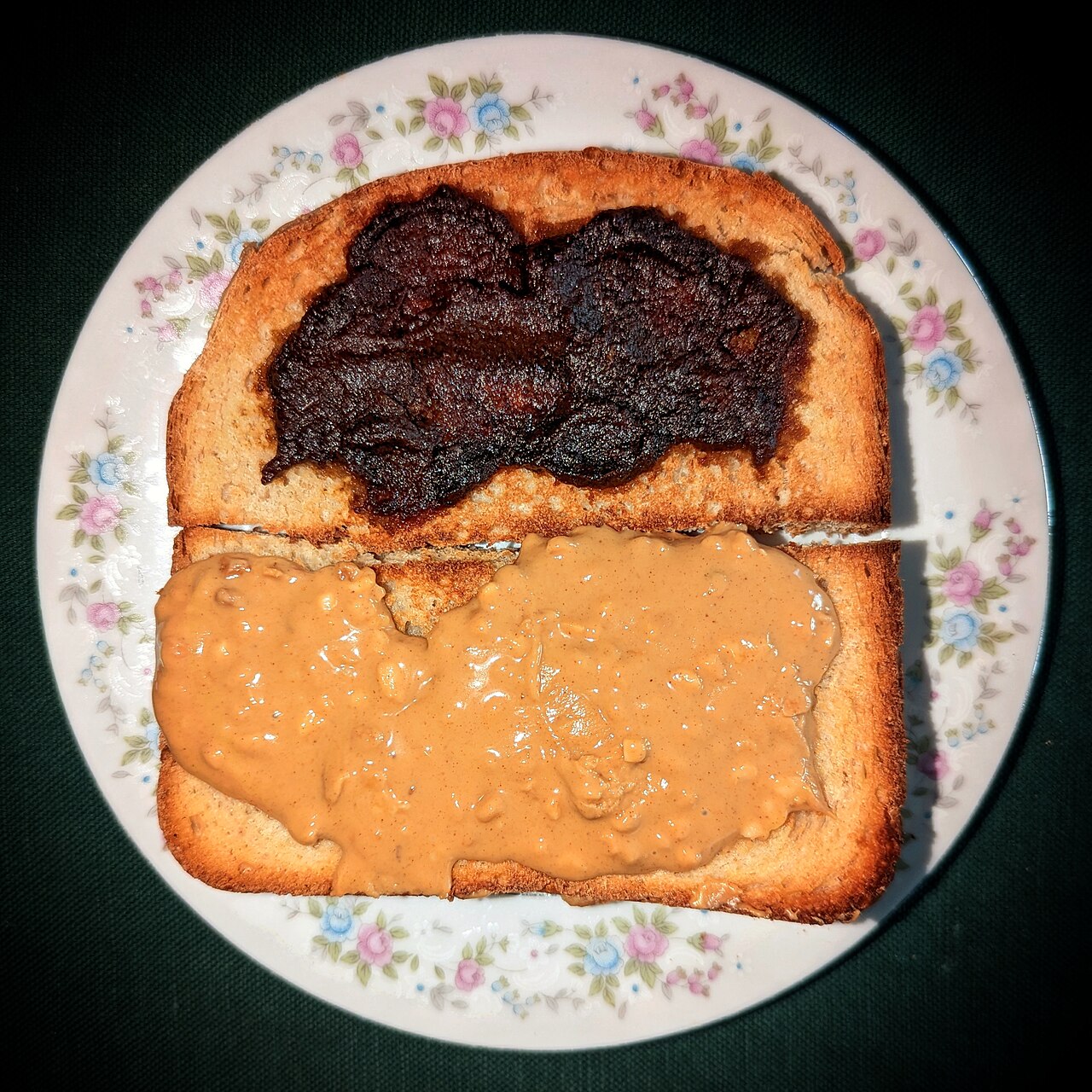
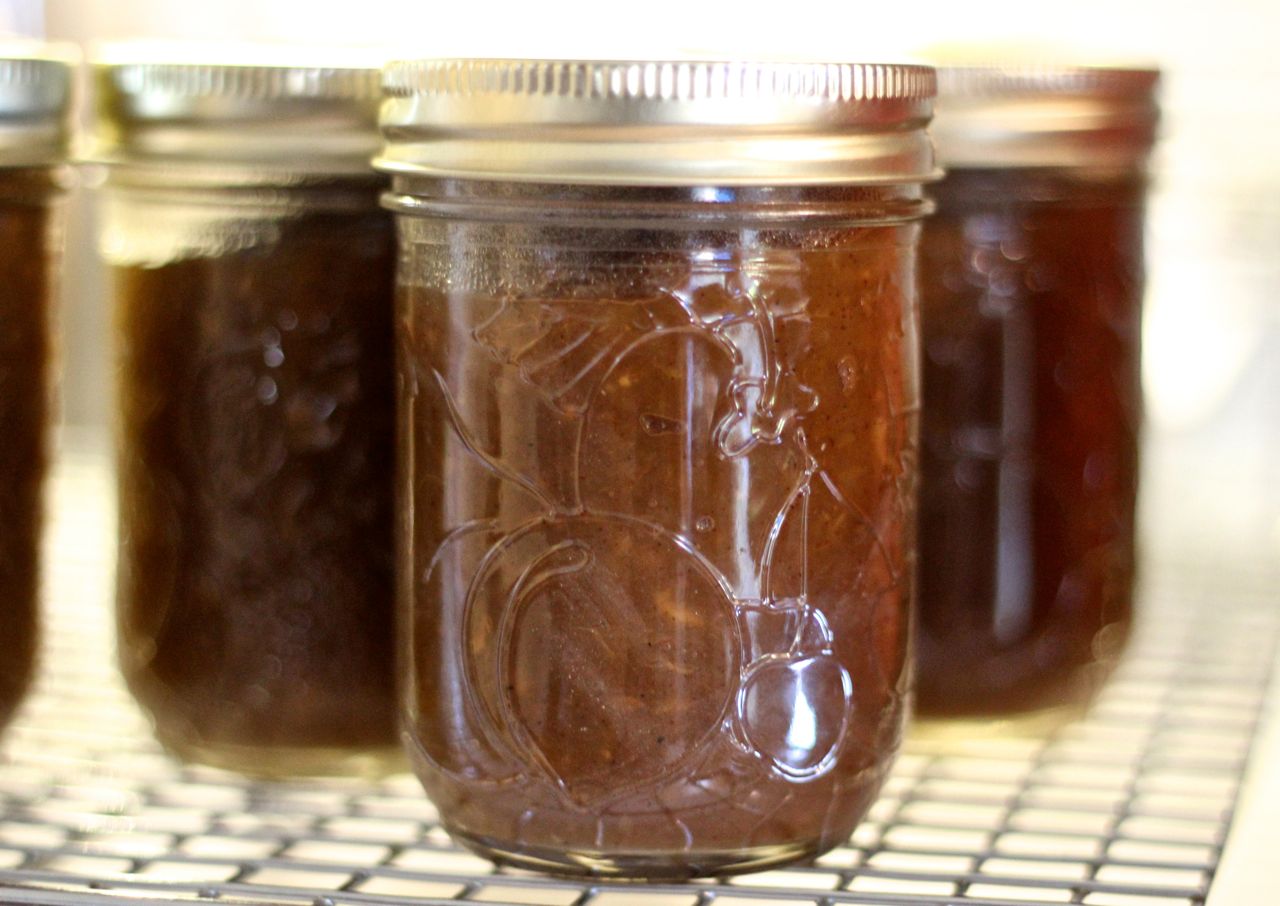
Apple butter is a highly concentrated form of apple sauce produced by long, slow cooking of apples with apple juice or water until the sugar caramelizes, turning it a deep brown. Its roots trace back to the 16th–17th centuries in Limburg (Belgium and the Netherlands) and Rhineland (Germany), where monasteries with large orchards first conceived it as a way to preserve fruit. The product contains no dairy butter; the term refers to its thick, soft consistency and use as a spread.
- era
- 16th–17th centuries
Lore & Background
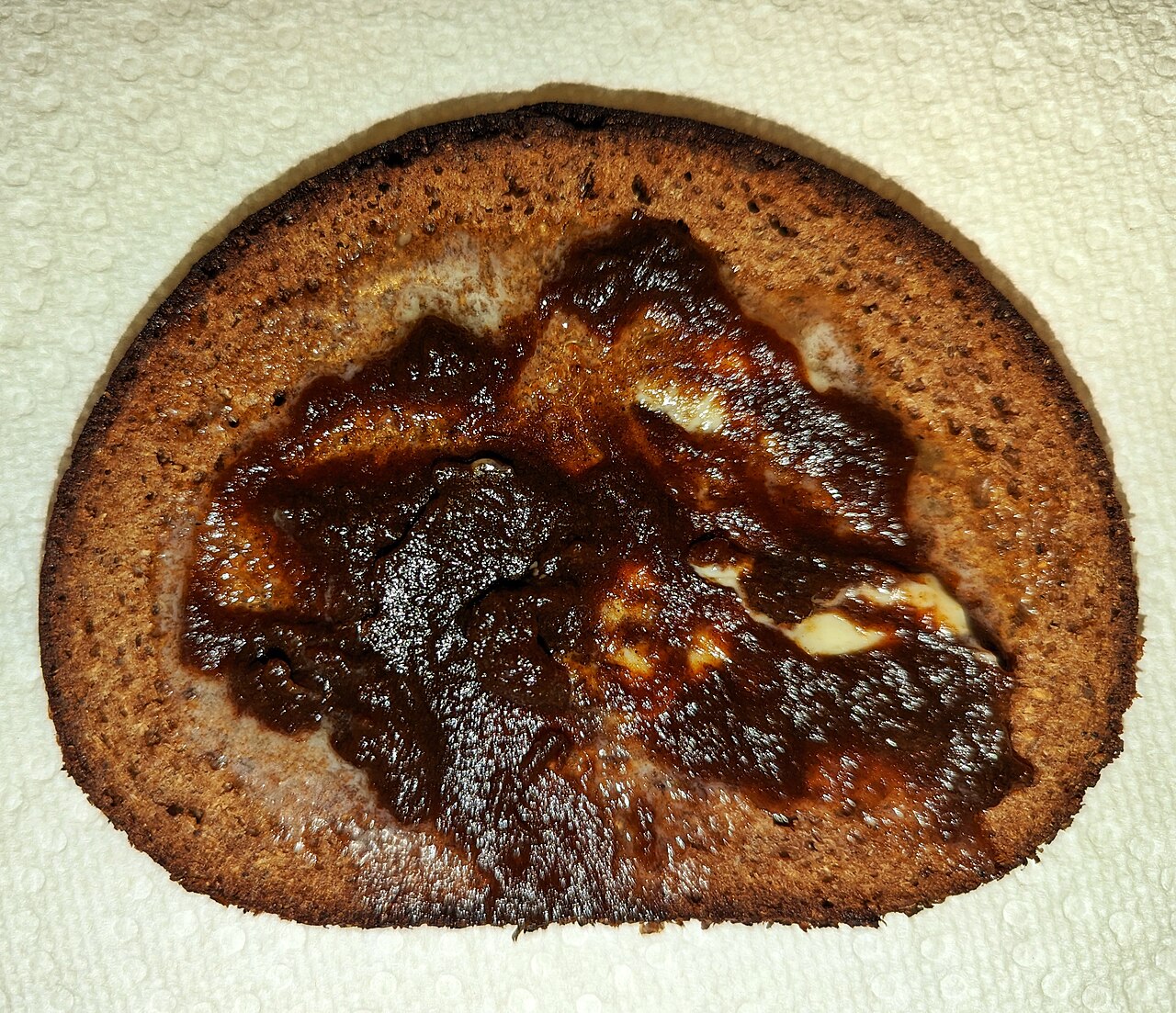
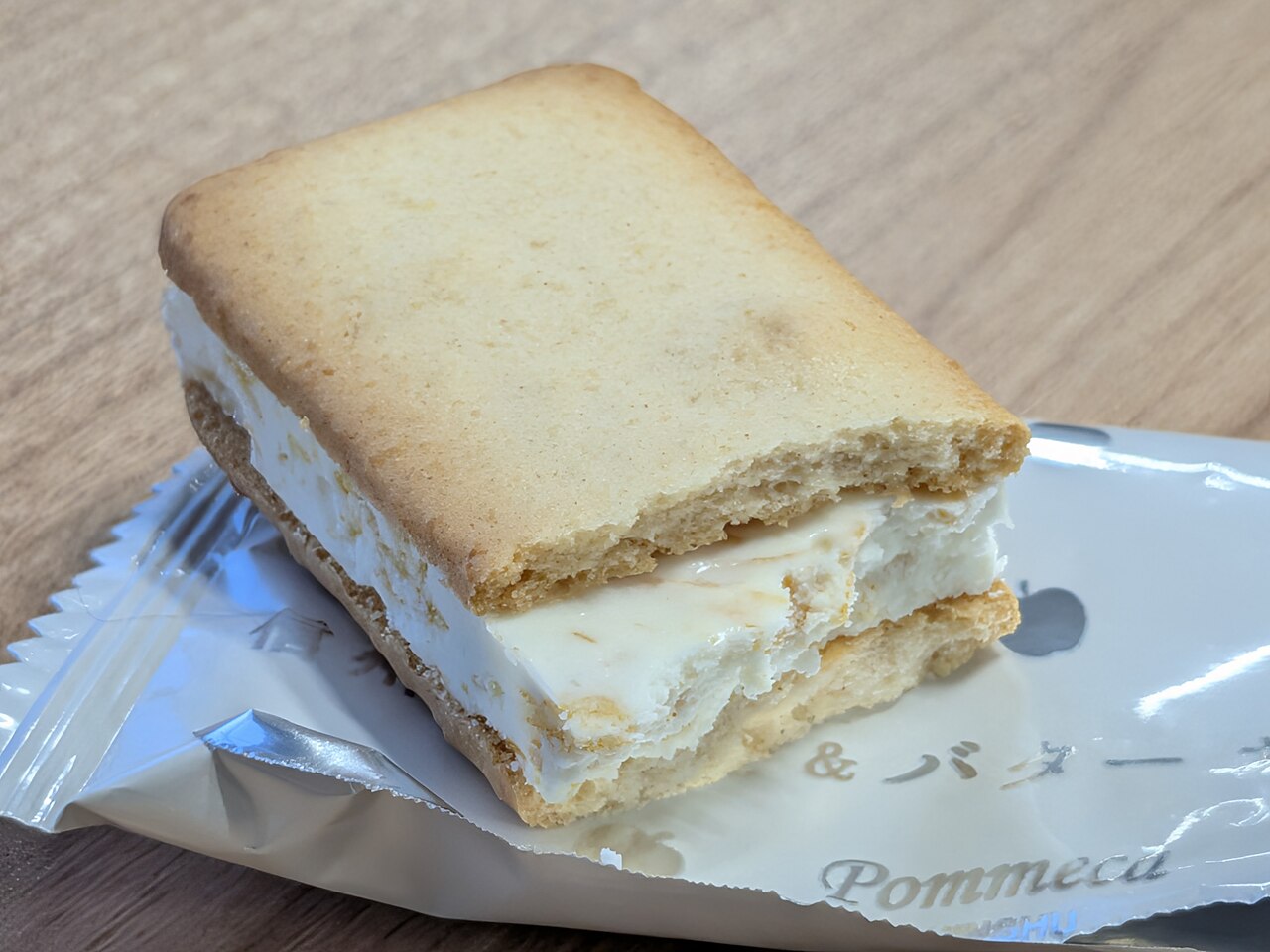
In Europe, apple butter is traditionally made as a dense syrup: in the Netherlands it is called appelstroop, in Germany Apfelkraut, and it is frequently eaten on bread with thinly sliced cheese or with Sauerbraten. A distinct traditional preserve made primarily from apples and pears, known as sirop de Liège, is popular in Belgium. In Jersey, apple butter is known as black butter and includes liquorice. In Japan, apple butter often contains actual butter, is lighter in color, and is used as a spread on toast or as a filling in baked buns.
Reader's Guide
Apple butter's significance lies in its role as a traditional method of fruit preservation that spans centuries and continents. Originating in medieval monasteries, it became a staple in European and American households, particularly among the Pennsylvania Dutch, who include it in their 'seven sweets and seven sours' table array. The product's high sugar content and low water activity allow it to be stored for months at room temperature without spoiling, making it a practical food for long-term storage. Modern production involves selecting apples based on ripeness and texture, pressing some into cider, and cooking the puree with sodium bicarbonate to reduce acidity. The mixture is boiled down to one-seventh its original volume. Apple butter is also used as a fat substitute in reduced-fat or vegan recipes. Its legacy endures in both traditional home production and commercial manufacturing, with regional variations from Europe to Japan.
Did You Know?
- Apple butter contains no dairy butter; the name refers to its butter-like consistency and use as a spread.
- In the American South, making apple butter was traditionally a family event requiring large copper kettles and constant stirring.
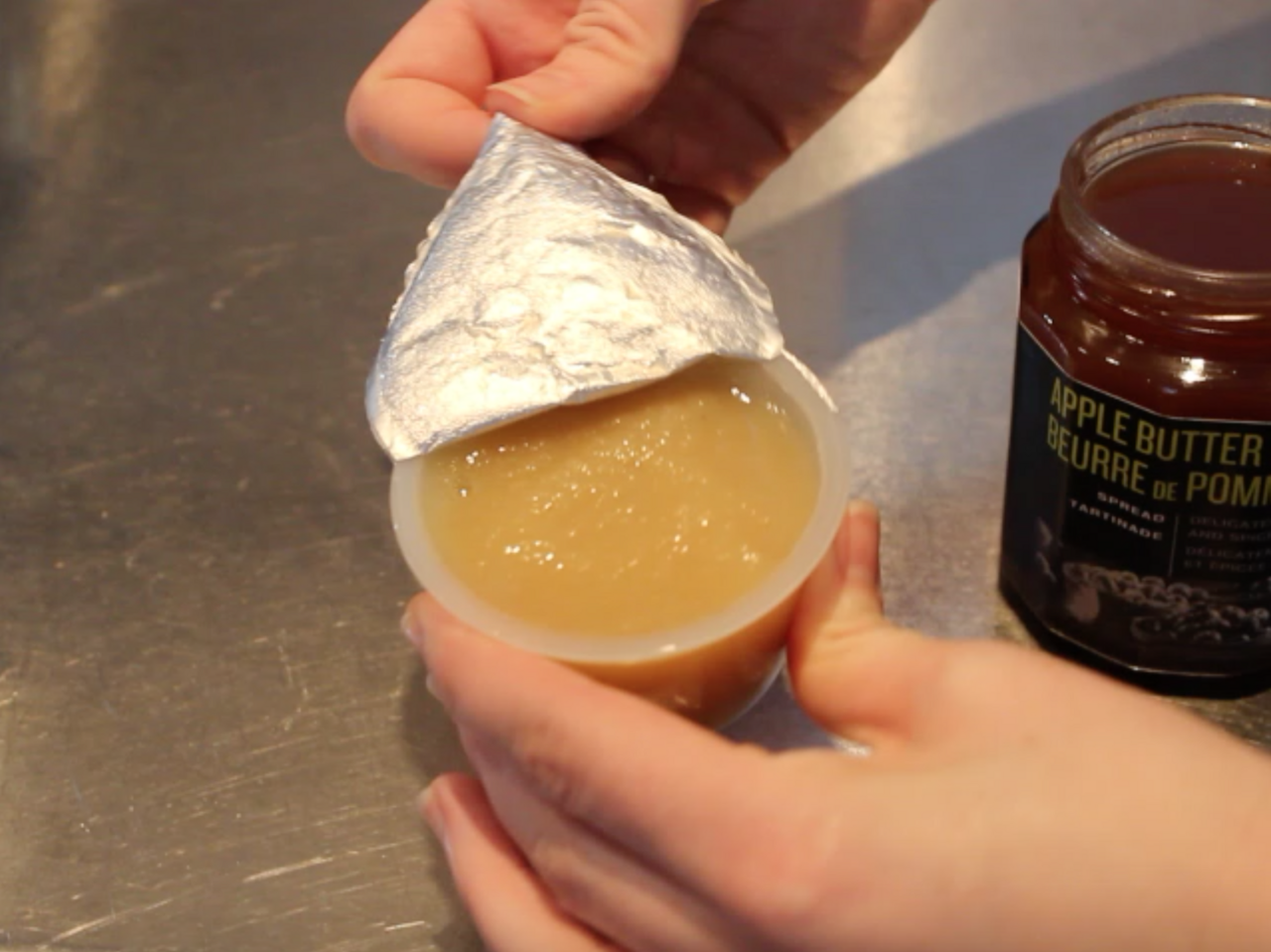
- In Japan, apple butter often contains actual butter and is lighter in color, typically yellow.
- Apple butter can be used as a fat substitute in reduced-fat or fat-free cooking and vegan recipes.
Medieval Roots and a Misleading Name
Apple butter's story begins in the monasteries of medieval Limburg and the Rhineland, where large orchards produced more fruit than the monks could consume fresh. The long, slow cooking of apples into a thick, deeply browned spread offered a practical solution: a way to preserve surplus harvests through lean months. By the time the practice had spread, nearly every village in the region boasted its own producers, and the tradition eventually crossed the Atlantic, becoming a staple of colonial American kitchens and remaining popular there well into the nineteenth century.
Despite its name, the product contains no dairy at all. The word "butter" simply describes the rich, soft, spreadable texture that makes it ideal for slathering on bread. In its classic form it is seasoned with cinnamon, cloves, and other warm spices, and it finds its way onto the table as a condiment, a side dish, or an ingredient in baked goods. A small addition of vinegar or lemon juice during cooking can lend a gentle tartness to balance the natural sweetness, a technique the Pennsylvania Dutch wove into their celebrated "seven sweets and seven sours" dinner arrangement.
A Global Tapestry of Apple Preserves
Across the world, the basic idea of reducing cooked apples into a thick, sweet spread has taken on distinct local character. In the Netherlands the product is called appelstroop, meaning "apple syrup," and sits closer to a dense syrup than a spread, traditionally paired with thinly sliced cheese or Sauerbraten. German Rhinelanders know it as Apfelkraut, though outside that region it is a niche item found in health-food stores. Belgium favors a sweeter variant made from both apples and pears, marketed as sirop de Liège, while francophone Switzerland produces a similar preparation called vin cuit.
Eastern Europe offers its own take: Russian povidlo, a word borrowed from Czech and Polish traditions, is a reduced fruit puree capped at roughly thirty-four percent moisture and sixty percent sugar, with apples the most common base but apricots, cherries, prunes, pears, and cranberries also used. Polish powidła centers on fresh purple plums with added sugar. In Jersey, the Channel Islands, the spread is called black butter and incorporates liquorice. In Japan the preparation is lighter in color, often includes actual butter, and features local Fuji apples from Nagano and Aomori prefectures, used as a toast spread or a filling in baked buns.
The Slow Craft of Making
The process begins with apple selection, favoring soft varieties like McIntosh, Cortland, and Granny Smith that break down quickly under heat. Some of the chosen fruit is pressed into fresh cider while the rest is peeled, cored, and steamed into a puree. Both components are combined in a large steam vat, where a small amount of sodium bicarbonate is stirred in to lower acidity and coax more sweetness from the natural fructose. The mixture is then boiled slowly, allowing water to evaporate until the original volume shrinks to roughly one seventh of its starting size.
The end result is a caramelized, concentrated spread whose rich brown color comes from the sugar in the apples breaking down over patient cooking. Beyond the fruit itself, the recipe calls for brown or white sugar—or unrefined sugar beet juice—and apple juice or cider as the liquid base. Optional spices such as nutmeg, cloves, allspice, cardamom, and vanilla extract can be folded in, while a splash of lemon juice or vinegar adds a counterpoint to the sweetness. The high sugar concentration and low free-water content give the finished product a shelf life far beyond that of apple sauce.
Family Kettles and the Communal Table
In the American South, making apple butter has long been a full-scale family undertaking rather than a solitary kitchen task. The sheer volume of fruit and the hours of stirring required meant that large copper kettles were set up outdoors, and relatives took turns wielding heavy paddles to keep the mixture from scorching. In Appalachian households, apple butter held a special place as the only fruit preserve traditionally stretched into fruit leather, a practical way to preserve even more of the harvest.
The product's keeping qualities are remarkable: its high acidity, with a pH below 4.6, combined with concentrated sugar and minimal free water, allows an opened jar to remain safe at room temperature for months. Manufacturers and home cooks alike sterilize jars through high-heat treatment and tight sealing to guard against lingering microorganisms, though no single method is considered absolutely foolproof.
Beyond the table, apple butter has found a modern role as a fat substitute in reduced-fat and vegan cooking, offering richness without dairy. While it is still spread on bread or stirred into baked goods, its once-ubiquitous presence on sandwiches has faded somewhat from everyday use, a quiet reminder of how food traditions shift across generations.
Gallery
Frequently Asked Questions
Who is Apple butter?
Apple butter is a thick, deeply caramelized apple spread rooted in Belgian and Dutch tradition. Despite its name, it contains zero dairy — the word 'butter' simply describes its soft, spreadable texture.
Where does Apple butter come from?
The dish traces back to monasteries in the Limburg region and the Rhineland during the 16th and 17th centuries. Monks with large orchards developed it as a practical way to preserve their apple harvests through the winter.
What are Apple butter's core ingredients?
The recipe is strikingly simple: apples cooked down with apple juice or water until the natural sugars caramelize. No butter, no cream, and no dairy of any kind enters the pot.
How does Apple butter get its signature look?
Prolonged, slow cooking breaks down the fruit and caramelizes its sugars, transforming the mixture into a glossy, deep-brown preserve. The result is far thicker and more concentrated than ordinary applesauce.
Why is Apple butter important to Belgian food history?
It represents one of the earliest practical fruit-preservation techniques in the region, born out of necessity in monastic kitchens. The dish survived centuries of change and remains a beloved spread in Limburg and beyond.
More in Belgian cuisine 1-24
Spotted an error? Know more?
This is a living reference — every entry is fact-audited, and reader corrections feed straight into our audit queue. Suggest an edit · See this site's audit record